
Fatigue Management for Heavy Vehicle Operators in Australia: What You Are Required to Do
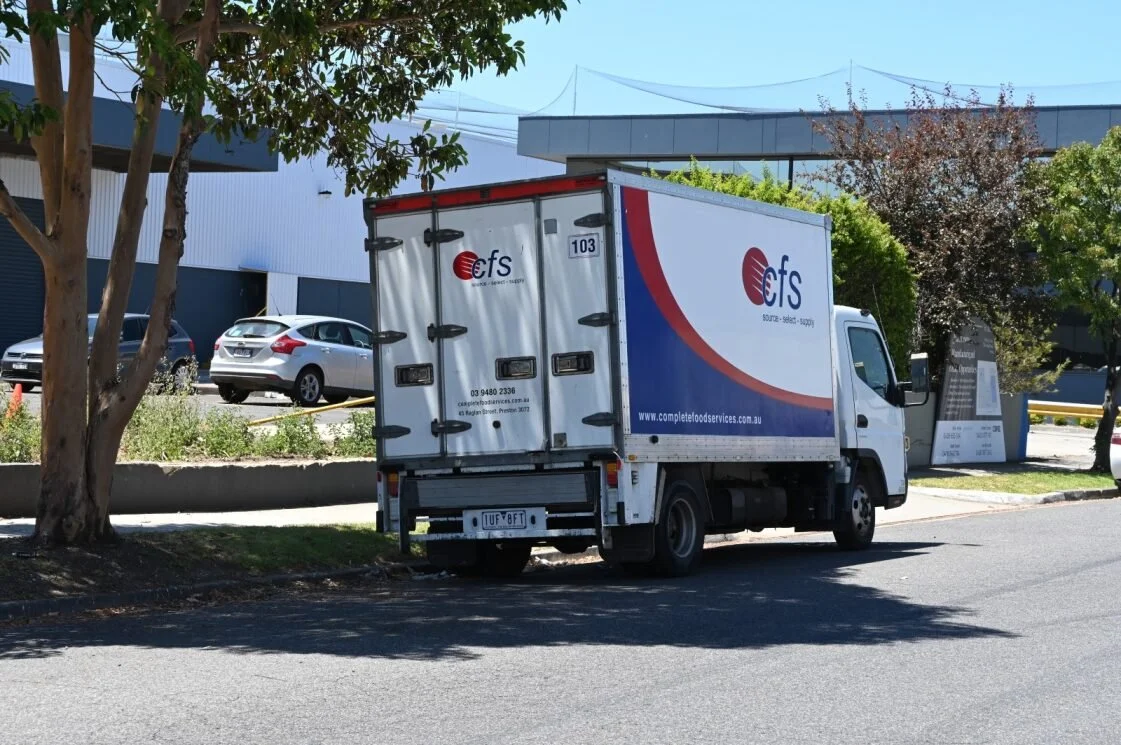
A CFS refrigerated delivery truck, the type of heavy vehicle subject to HVNL fatigue management obligations.
Driver fatigue is one of the leading causes of serious accidents on Australian roads. For heavy vehicle operators, the consequences of a fatigue-related incident can be catastrophic, and the legal exposure can extend well beyond the driver to every party in the supply chain.
According to the National Heavy Vehicle Regulator (NHVR), fatigue is a factor in approximately 30 percent of fatal heavy vehicle crashes in Australia. Yet many operators still treat fatigue management as a driver responsibility rather than a systemic business obligation. That approach is both legally inaccurate and operationally dangerous.
Australian law is clear. If you operate heavy vehicles, you have obligations around fatigue management that go beyond simply telling drivers to get enough sleep. This article explains what those obligations are, what records you need to keep, and how technology including GPS fleet tracking and digital driver checklists can make compliance manageable without adding burden to your operation.
The Regulatory Framework for Fatigue Management in Australia
Fatigue management for heavy vehicle operators is governed primarily by the Heavy Vehicle National Law (HVNL), which applies across most Australian states and territories. Queensland, New South Wales, Victoria, South Australia, Tasmania, the ACT, and the Northern Territory all operate under this framework. Western Australia has its own equivalent legislation but applies broadly similar principles.
Under the HVNL, both drivers and operators have legal obligations. The law distinguishes between three schemes:
Standard Hours
Under the standard hours scheme, a heavy vehicle driver must not drive for more than five hours and 15 minutes without taking a rest break of at least 15 minutes. The total driving time within a 24-hour period is also capped, and drivers must take a minimum rest period between work shifts.
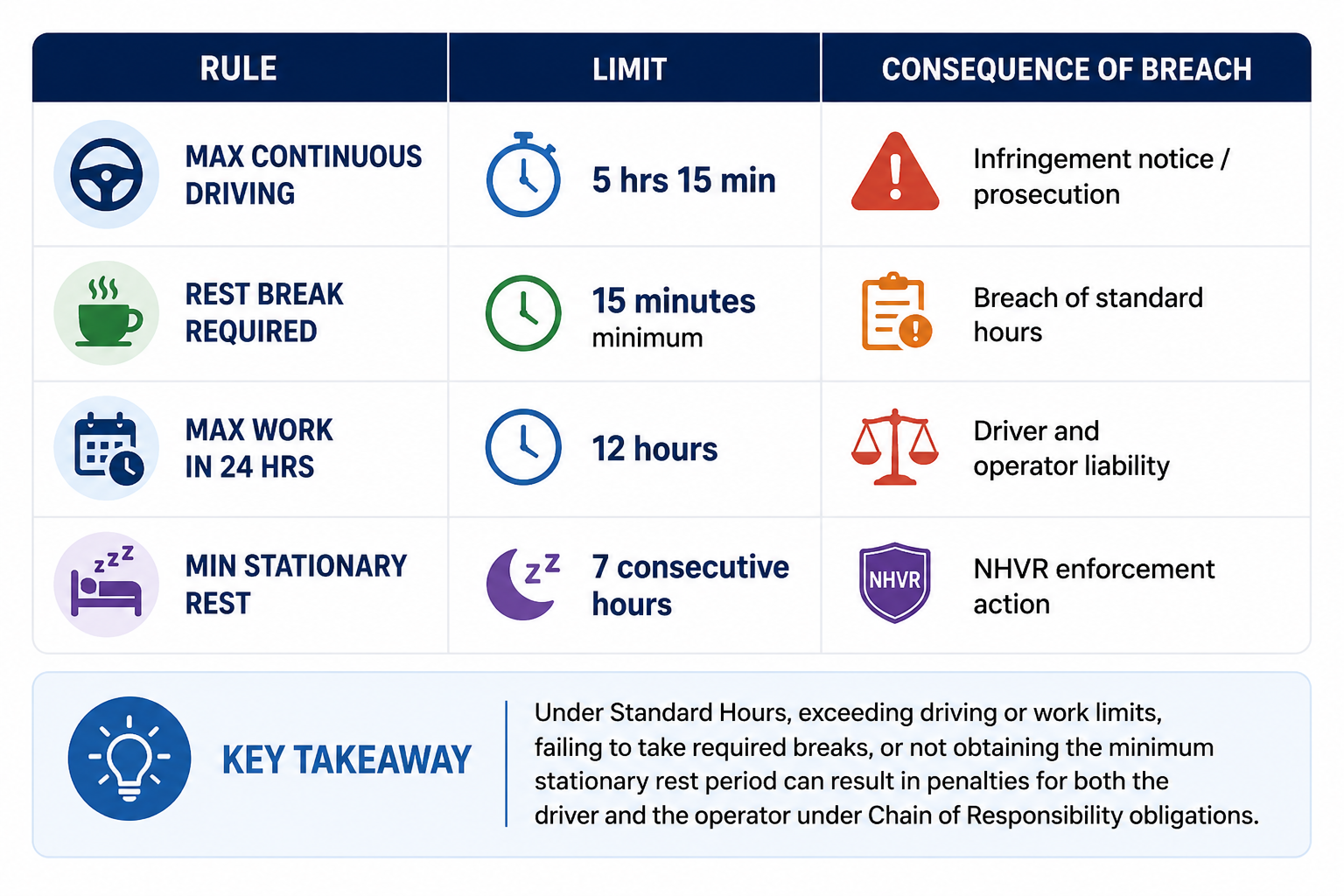
These are the baseline requirements. If your operation uses the standard hours scheme, your management obligations include ensuring rosters and scheduling do not require drivers to breach these limits, monitoring driver hours and maintaining records, and taking action if you become aware a driver is fatigued.
Basic Fatigue Management (BFM) and Advanced Fatigue Management (AFM)
Operators can apply for accreditation under the Basic Fatigue Management or Advanced Fatigue Management schemes. These schemes allow for modified work and rest arrangements in exchange for demonstrating a higher level of fatigue risk management across the business.
BFM accreditation grants modest flexibility in work and rest scheduling and requires operators to implement documented fatigue management policies, driver training, and regular record reviews. It is well suited to operators with predictable routes and schedules.
AFM in particular allows significant flexibility in how work and rest time is structured, but it requires robust systems for monitoring driver fatigue, detailed record keeping, and regular audits. Technology that can verify driver hours and provide objective monitoring data is essential for AFM accreditation. AFM operators must also engage a registered fatigue auditor to assess their program.
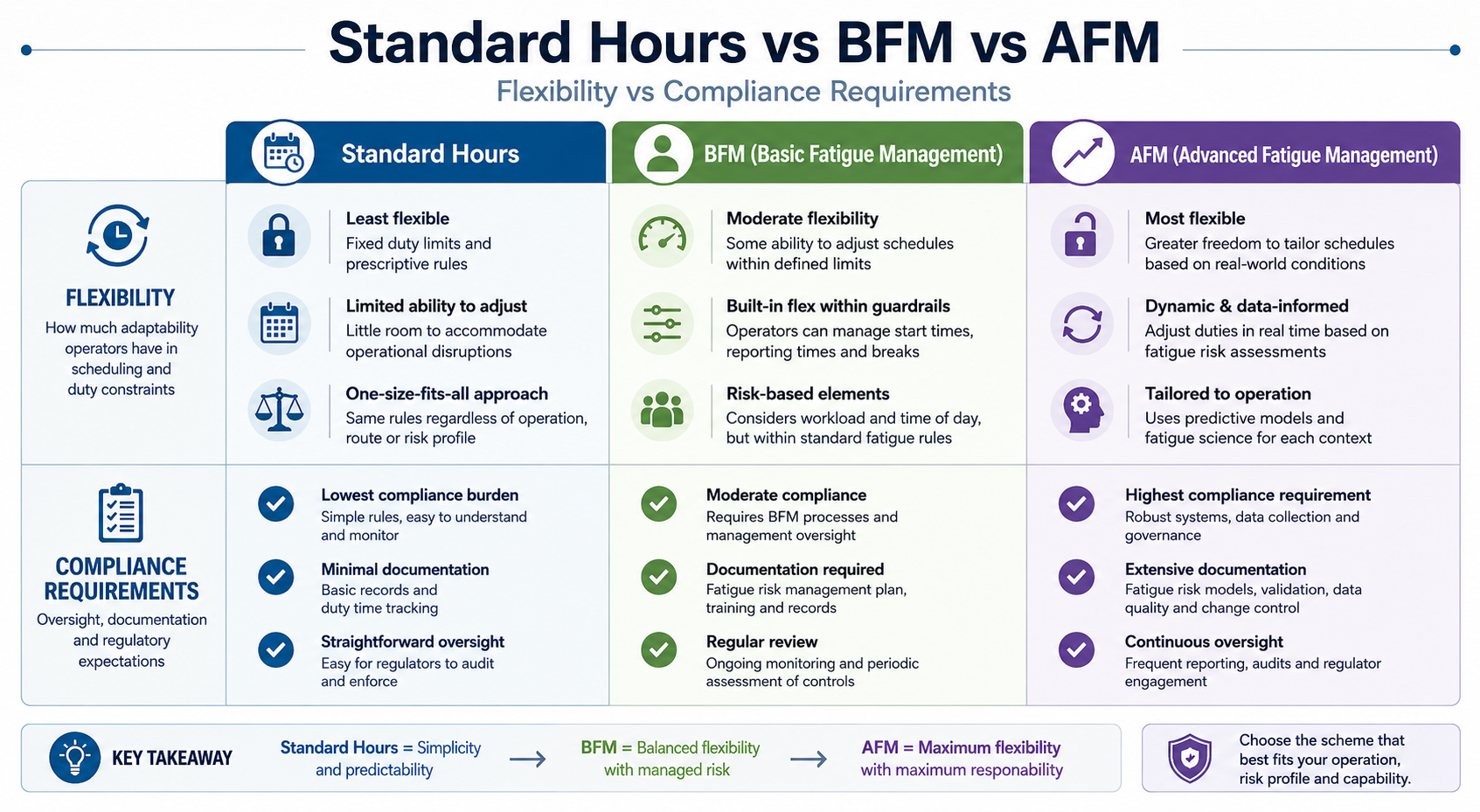
Comparison of Australia’s three heavy vehicle fatigue management schemes: Standard Hours, BFM, and AFM.
Chain of Responsibility and Fatigue
One of the most important things fleet operators need to understand about fatigue management is that liability does not sit with the driver alone. Under Chain of Responsibility (CoR) provisions in the HVNL, everyone in the supply chain who influences how a vehicle is operated shares responsibility for ensuring that operation is safe.
This means that if a driver has a fatigue-related incident and it can be shown that their roster, dispatch instructions, or delivery schedule contributed to them being fatigued, the operator, scheduler, and potentially the consignor can face significant penalties.
The parties that can be held liable under CoR include:
• The operator (fleet owner or transport company)
• The scheduler (whoever creates driver rosters and dispatch plans)
• The consignor (the party who directs when freight must be collected)
• The consignee (where unrealistic delivery deadlines contribute to fatigue risk)
• The loader or packer where loading delays force compressed schedules
The National Heavy Vehicle Regulator can prosecute parties in the chain who knew or ought to have known that a breach was occurring. Ignorance is not a defence. In practice, this means that if you are a scheduler who sends a driver out on a tight turnaround knowing they have had limited rest, you may be personally liable if an incident occurs.
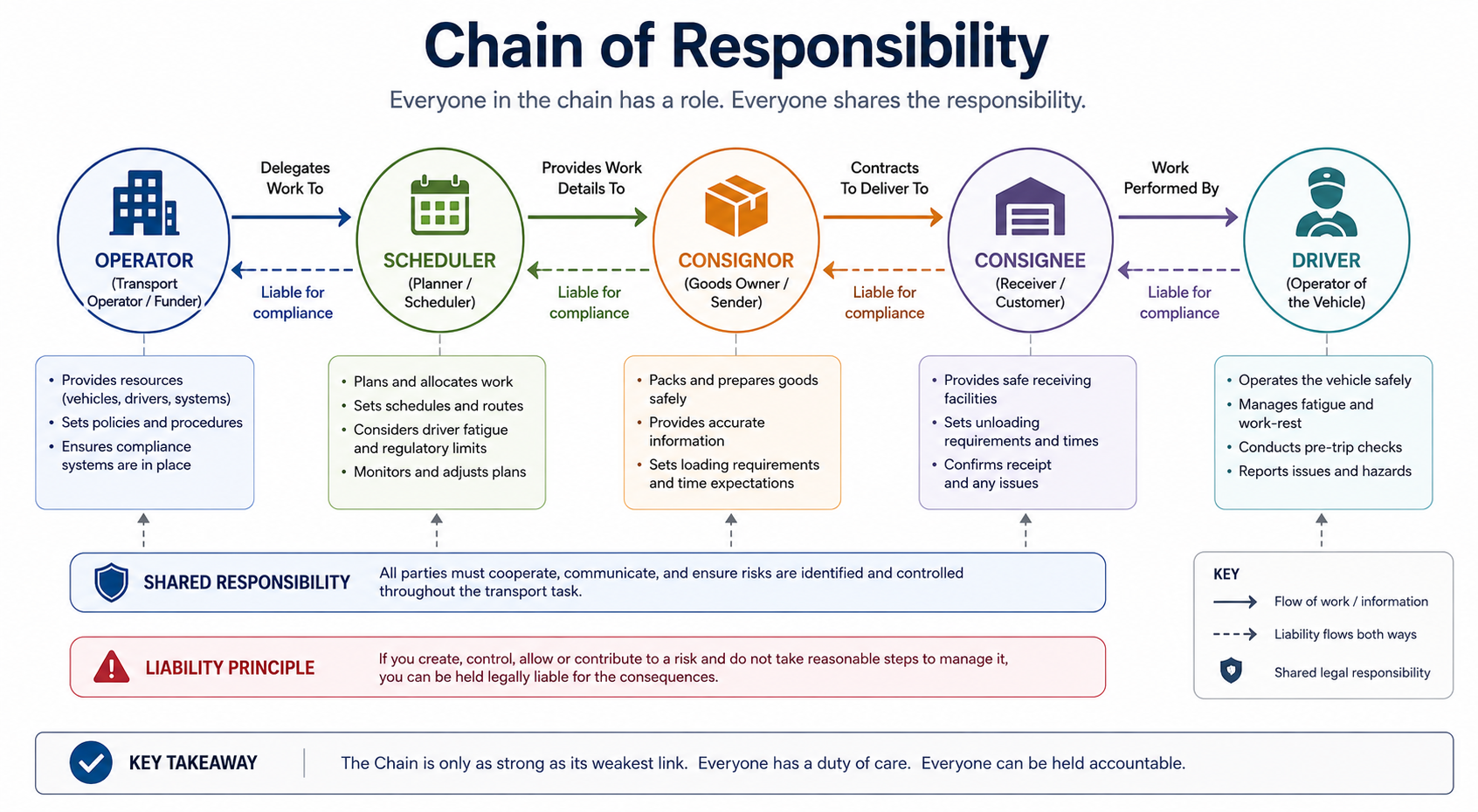
The Chain of Responsibility under the HVNL, showing how liability flows through every party in the supply chain.
What Records Do You Need to Keep?
Fatigue management record keeping requirements depend on which scheme you operate under, but in general you need to be able to demonstrate:
• Driver work and rest times for a minimum of 28 days for standard hours drivers
• Evidence that rosters and dispatch instructions comply with the relevant work and rest limits
• Any incidents or near-misses involving fatigue and what action was taken
• Training records showing drivers have been briefed on fatigue management obligations
• For BFM and AFM operators: additional records including fatigue risk assessments and monitoring data
Manual logbooks can meet these requirements in some contexts, but they are difficult to verify and prone to human error. Drivers under time and workload pressure may misrecord rest breaks or round figures. In an enforcement context, a logbook alone is rarely sufficient to demonstrate compliance where an incident has occurred.
Electronic work diary (EWD) systems and telematics solutions that automatically log ignition-on and ignition-off events provide a more reliable and auditable record. When GPS data, EWD data, and pre-start checklist records are combined, they create a corroborated picture of every shift that is far stronger in both an audit and a legal context.
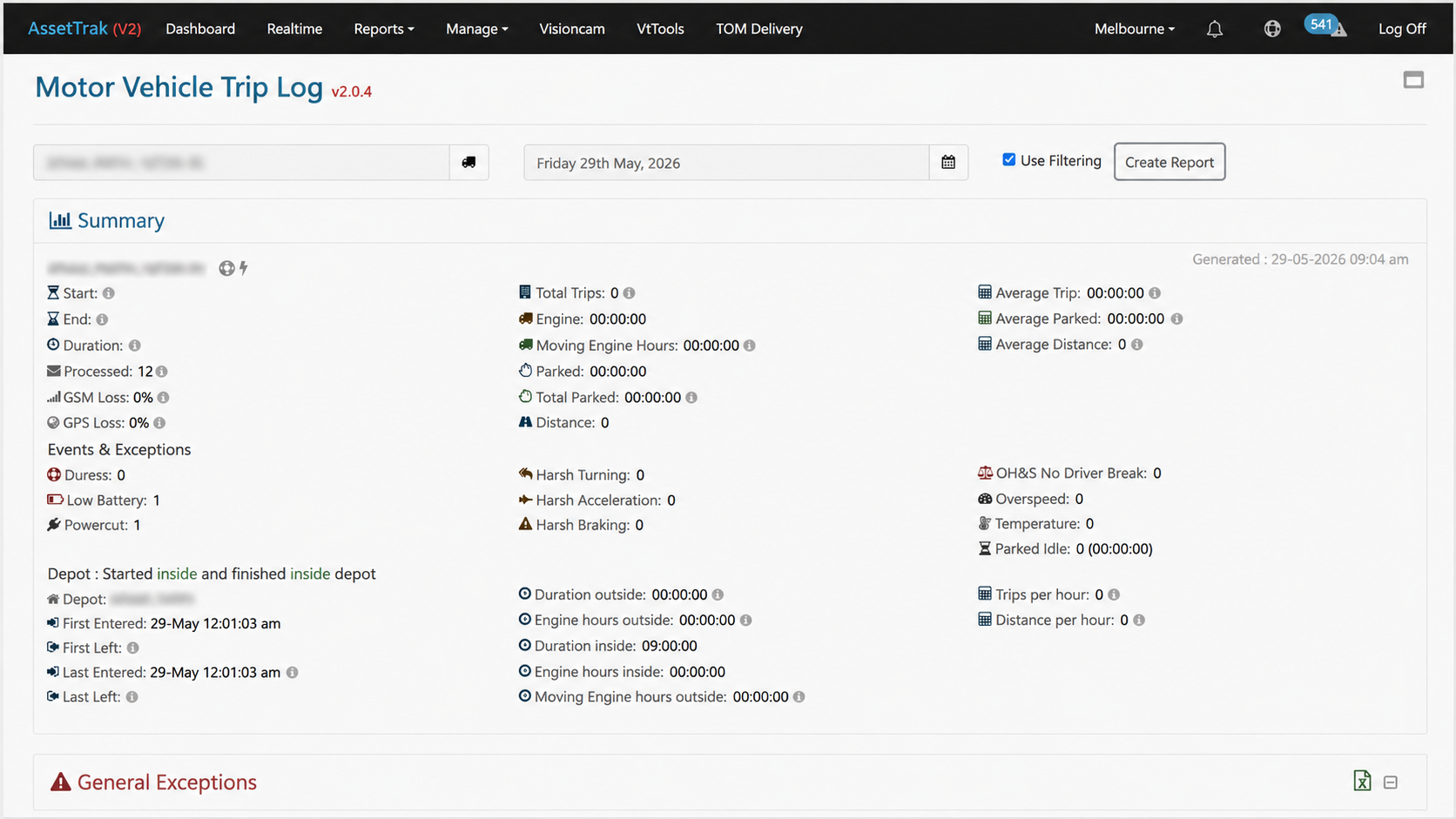
The AssetTrak Motor Vehicle Trip Log provides an auditable, timestamped record of driver activity for compliance purposes.
How Pre-Start and Post-Trip Checklists Support Fatigue Compliance
One of the most practical and underutilised tools for fatigue management compliance is the driver checklist. A properly structured pre-start checklist completed before every shift captures whether the driver has had adequate rest, confirms they are fit to drive, and creates a timestamped record tied to that driver and that vehicle.
Many operators still rely on paper-based forms. The problems with paper are well documented: forms get lost, fields are skipped, dates are written in after the fact, and there is no reliable way to confirm the driver actually completed the checklist at the time of departure. In an enforcement or legal context, a folder of handwritten paper checklists provides limited protection.
VisionTrak's digital QR code checklist system takes this a step further. Rather than relying on paper forms that can be incomplete, lost, or falsified, drivers scan a QR code on their vehicle, enter a unique personal PIN, and complete a verified digital checklist on their phone before departing. The completed checklist is automatically emailed to fleet managers and timestamped at submission.

VisionTrak’s digital driver checklist app verifies driver identity via PIN and timestamps each submission automatically.
For fatigue management specifically, the pre-start checklist can include questions about rest hours, alertness, and fitness to drive. A well-designed checklist might ask:
• How many hours of sleep did you get in the last 24 hours?
• Do you feel alert and fit to drive?
• Have you taken any medication that may affect your driving?
• Did you have any rest breaks interrupted by noise, calls, or other disturbances?
If a driver answers a safety-critical question in a way that suggests fatigue or impairment, fleet managers receive an instant notification so they can intervene before the vehicle leaves the depot. This is the kind of proactive fatigue management that distinguishes operators with a genuine safety culture from those who are simply going through the motions.
Post-trip checklists at the end of each shift capture the odometer reading, any incidents or near-misses during the day, and vehicle condition. Together, pre-start and post-trip records create a complete, verified account of every shift, start to finish, without any manual data entry from your office team.
How GPS Tracking Supports Fatigue Compliance
A GPS fleet tracking system provides several capabilities that directly support fatigue management compliance. Unlike driver self-reporting, GPS data is objective, timestamped, and tamper resistant. It fills the gaps that logbooks and checklists cannot cover on their own.
Automated Trip Logging
Every trip is automatically recorded with start time, end time, distance, and route. This creates an objective record of driving time that can be cross-referenced against driver logs and used as evidence of compliance in the event of an audit or incident investigation. Where a driver's logbook shows a rest break, GPS data will either corroborate it or identify a discrepancy.
Real-Time Monitoring and Alerts
Fleet managers can see in real time how long a driver has been on the road and receive alerts when a driver is approaching their work time limits. This allows intervention before a breach occurs, not after. For schedulers and managers, receiving a proactive alert rather than discovering a breach during an audit is the difference between taking action and managing consequences.
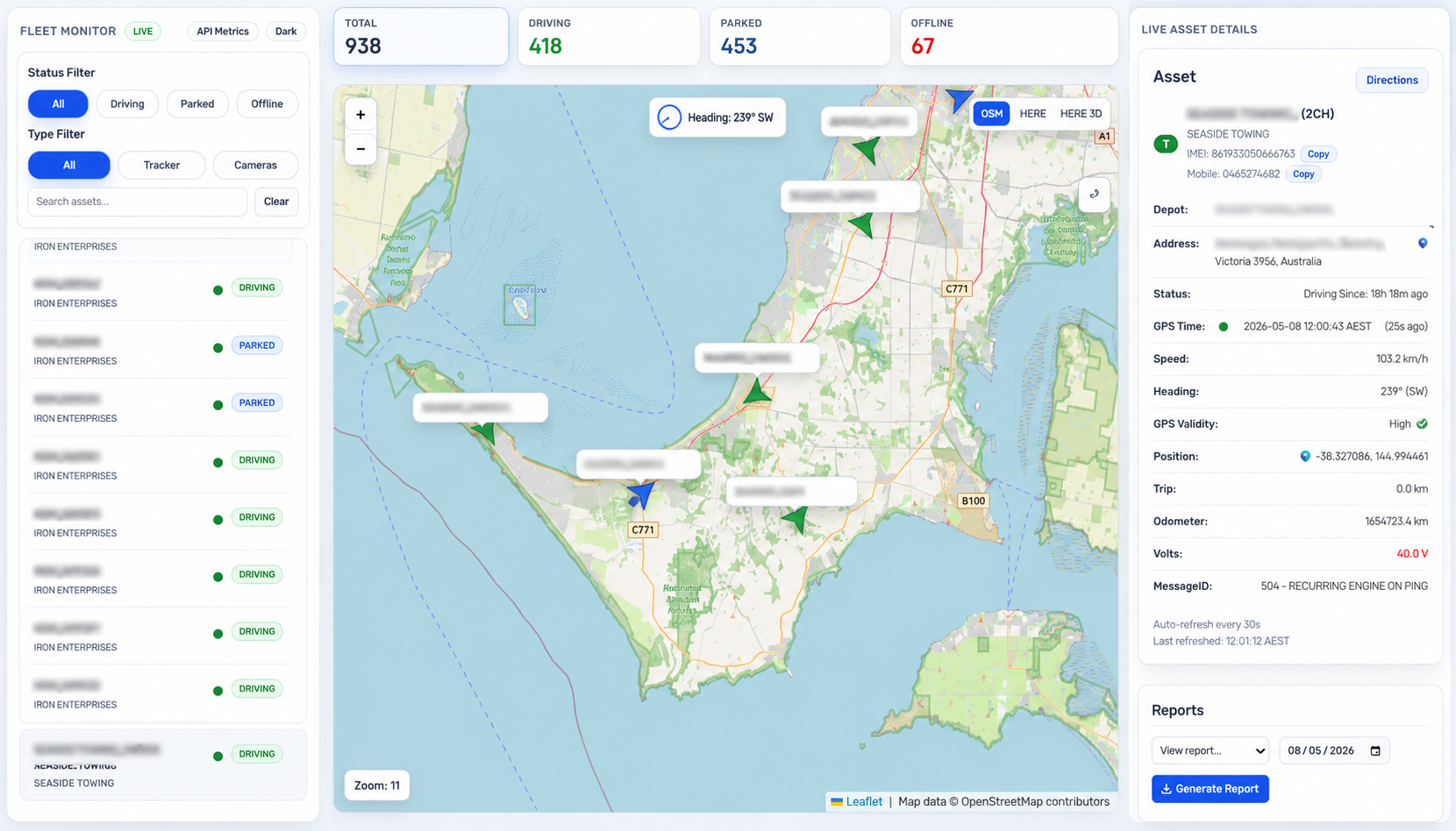
VisionTrak’s Fleet Monitor dashboard showing real-time vehicle positions, live status, speed, and GPS data across an entire fleet.
Driver Identification
VisionTrak's Driver ID feature links every trip to a specific driver, not just a vehicle. This matters because a vehicle may be shared across multiple drivers across different shifts. Without driver identification, your records cannot accurately show who was driving when, which creates gaps in your fatigue compliance picture.
With Driver ID active, every ignition event is associated with a named driver. This means your records accurately reflect who was driving when, which is essential for fatigue management compliance and for investigating incidents.
AI Dashcam Fatigue Detection
When GPS tracking is combined with VisionTrak's AI dashcam technology, fleet managers gain an additional layer of real-time fatigue monitoring. The Driver Monitoring System in the VisionCam range detects signs of driver drowsiness through eye movement, blinking frequency, and head position. When fatigue is detected, an immediate in-cabin alert is sent to the driver.
This real-time intervention capability goes beyond record keeping to actively prevent fatigue-related incidents from occurring. Rather than discovering after an incident that a driver was fatigued, an AI dashcam alerts the driver and notifies the fleet manager while the vehicle is still on the road.
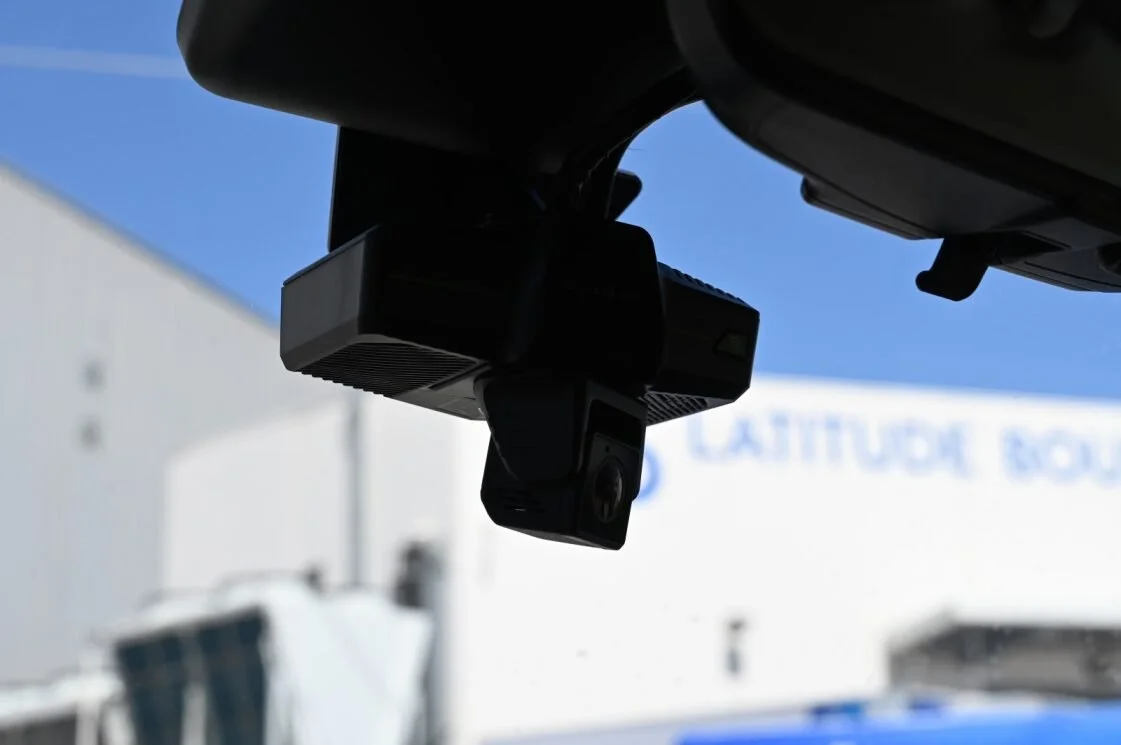
A VisionCam AI dashcam mounted behind a vehicle windscreen, with driver-facing lens for real-time fatigue detection.
Practical Steps to Improve Your Fatigue Management
Regardless of your fleet size or which fatigue management scheme you operate under, the following steps will reduce your risk and strengthen your compliance position.
•Review your rostering practices: Fatigue incidents are often the result of scheduling decisions made in the office rather than driver behaviour on the road. Rosters that require long drives, tight turnarounds, or overnight shifts need careful management. Build in buffer time and review rosters regularly against GPS trip data to identify patterns.
• Implement digital driver checklists: Replace paper pre-start and post-trip forms with a verified digital system. VisionTrak's QR code checklist captures driver identity, timestamps, fitness-to-drive questions, and shift records automatically.
• Train your drivers: Drivers who understand the signs of fatigue, their legal obligations, and how to raise concerns when they are not fit to drive are less likely to push through when they should stop. Training should be refreshed annually and documented.
• Create a reporting culture: Drivers should feel comfortable reporting fatigue without fear of losing work. A blame-free reporting culture is one of the most effective fatigue risk controls available. If drivers believe they will be penalised for flagging fatigue, they will not flag it.
• Use technology: Automated GPS logging, real-time driver hour alerts, digital checklists, and AI-based fatigue detection reduce your reliance on drivers self-reporting and create an objective record that protects your business.
• Audit regularly: Review your records, check for patterns in driver hours, and investigate any incidents or near-misses that may have a fatigue component. Regular internal audits are a requirement under BFM and AFM and a good practice for all operators.
The Cost of Getting It Wrong
The consequences of a fatigue-related incident involving one of your heavy vehicles can be severe. Beyond the immediate human cost, operators face potential criminal charges, significant civil liability, loss of accreditation, and reputational damage that can affect your ability to win contracts.
Under the HVNL, penalties for fatigue-related offences can include:
• Fines of up to $15,000 for severe risk breaches for individual drivers
• Operator penalties of up to $50,000 for severe risk breaches
• Prohibition orders that prevent vehicles from operating
• Loss of BFM or AFM accreditation
• In serious cases involving reckless conduct, imprisonment for individuals
The NHVR has made clear that it takes Chain of Responsibility enforcement seriously. Operators who cannot demonstrate that they have taken reasonable steps to manage fatigue risk face penalties that can include substantial fines and, in serious cases, imprisonment for individuals.
In recent enforcement actions, the NHVR has pursued operators and schedulers as well as drivers. A 2023 prosecution in Queensland resulted in a transport company paying over $200,000 in fines after it was found that scheduling practices systematically placed drivers in breach of standard hours. The driver, the operations manager, and the company itself were all penalised.
The good news is that the technology to manage this risk cost-effectively is available right now. VisionTrak's GPS tracking, digital driver checklists, and AI dashcam platform give you the records, the alerts, and the visibility to run a fatigue-compliant operation without burying your team in paperwork.
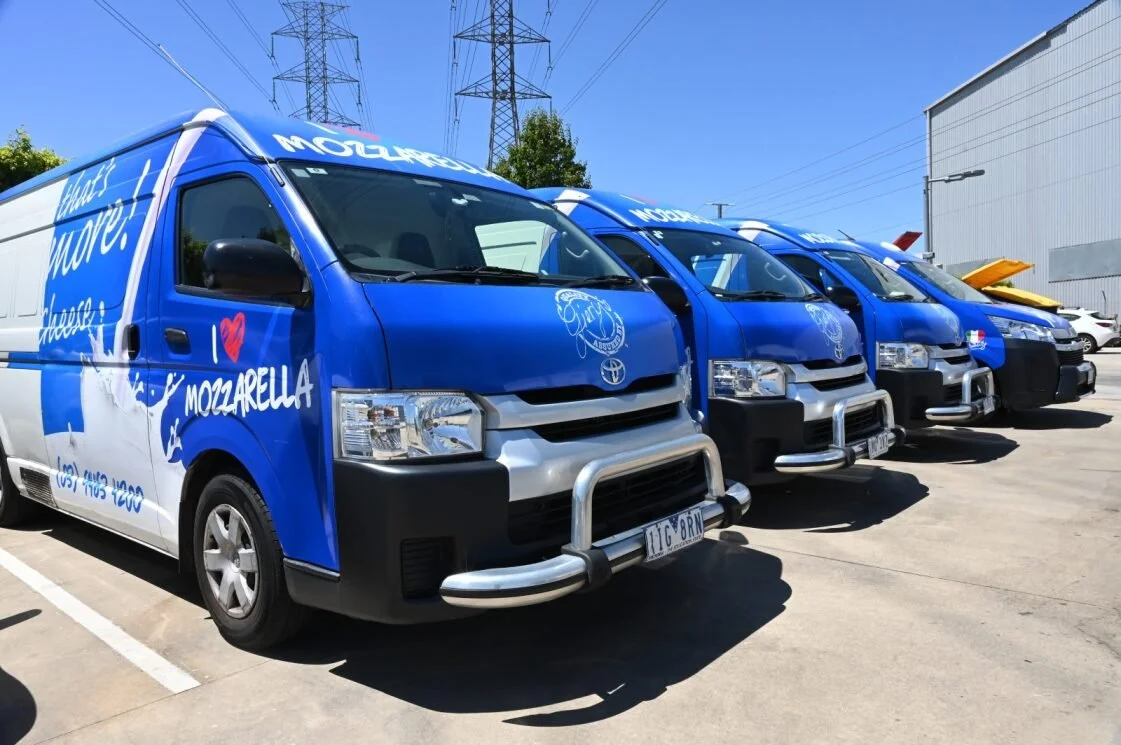
VisionTrak’s GPS tracking, digital checklists, and AI dashcam platform support fatigue compliance across your entire fleet.